THE REVERENCE CRIB


We don’t usually bring people to our fulfillment centres.
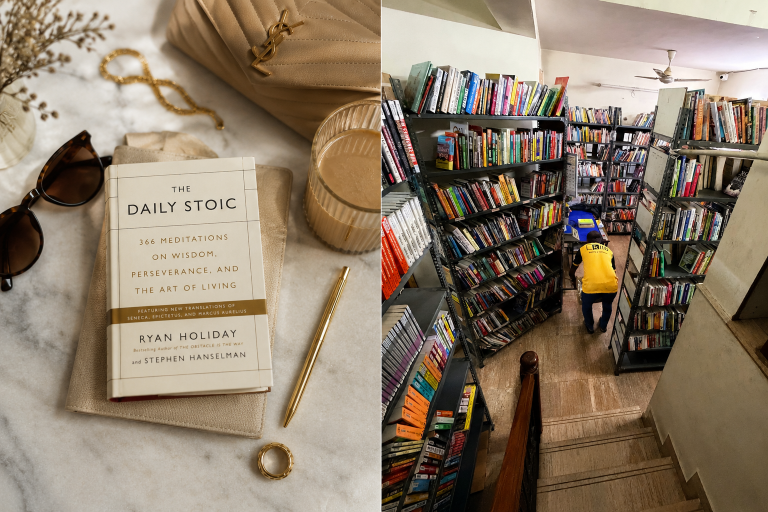
It isn’t built for visitors. No branding on the walls. No welcome desk. No framed photographs of founders or plaques with company values. Just packing stations, metal trolleys, inventory stickers curling at the edges, and rows and rows of books, shelved floor to ceiling, organised not by genre or author but by destination. This company. That office. A school in Pune. A team in Hyderabad.
It’s a working space. Functional. Unglamorous. The kind of room you’d walk through without a second thought. The kind of room you’d use the word ‘warehouse’ for and not feel you’d shortchanged it.
Last week, someone did visit.
Not a client. Not a partner. Not someone who had come to inspect, evaluate, or photograph. Just someone who had tagged along for a meeting and asked, almost sheepishly, if he could see where we keep the books.
We walked him over. Pointed to the entrance.
He stopped at the door.
Bent down.
And took his shoes off.
He hadn’t stepped inside yet. Hadn’t seen the shelves. Hadn’t seen the thousands of spines lined up floor to ceiling, catching the overhead light in that particular way only paper catches it.
He just knew what was on the other side.
Books.
And that was enough.
Nobody asked him to. There was no sign on the door. No instruction from the team. No tradition passed down. No ritual built into our process. Just a man standing at a threshold, deciding on his own that what lay ahead deserved something from him.
Then he walked in.
There is something about a room with thousands of books that changes the air. The sound drops. The light softens. The temperature feels like it belongs to a different building. It stops being a warehouse and starts being something else. Something you don’t have a word for, but your body recognises. A library, yes. But more than that. A kind of gathered quiet. A held breath at scale.
He walked slowly, in his socks, not saying much. Running his fingers along the spines. Not reading titles. Just touching them. Like the room was confirming something his body had already decided at the door.
When he came back out, someone on the team tried to keep things light. Asked him about it. Smiled. Said, “You know that’s not a temple in there, right?”
He laughed.
Then he thought for a second.
And he said something we haven’t stopped thinking about.
“I know. But it felt like I should.”
Not because of a programme. Not because of a policy. Not because someone told him books are important. Not because he was raised to believe so, or read somewhere that he should.
He already knew.
Before he saw a single shelf.
We have spent years learning the language that gets reading into organisations. The business case. The wellness angle. The engagement data. The retention numbers. The ROI frameworks. The slide that convinces the CFO. The line that reassures the CHRO. The paragraph that makes it past the procurement team.
And all of it is real. Reading does sharpen focus. It does build empathy. It does slow the mind in the right places and speed it up in others. It does, over time, make better leaders and calmer teams and more curious junior managers who become better senior managers. The data is there. We use it. We believe it.
But that is not why that man took his shoes off.
He took his shoes off because books carry something that spreadsheets cannot measure. Something older than L&D. Older than HR strategy. Older than the corporate language we have built around it. Older than the word ‘engagement’ being used the way we use it now.
Reverence.
Not the kind you’re taught. The kind you feel.
The kind that lives below language. The kind that makes a grown man, in the middle of a working day, in the middle of someone else’s warehouse, pause at a door and do something his body understood before his mind caught up.
We build corporate libraries. That is the work. We curate. We install. We manage. We track. We replenish. We report. We do the unglamorous operational labour that makes reading possible inside an organisation that was not designed to support it.
But what happened at that warehouse door last week was not something we built.
It was something the books did on their own.
Put enough of them in a room, and the room starts to mean something. You don’t have to tell people. You don’t have to explain it. You don’t have to put up a sign that says please respect this space. The books do that work themselves, quietly, by being what they are, by being there together in a kind of concentrated weight that a body walks into and registers before a mind does.
We just make sure the room exists.
That is the whole job.